
Results 1761 to 1770 of 2692 for “great lakes transmission project”
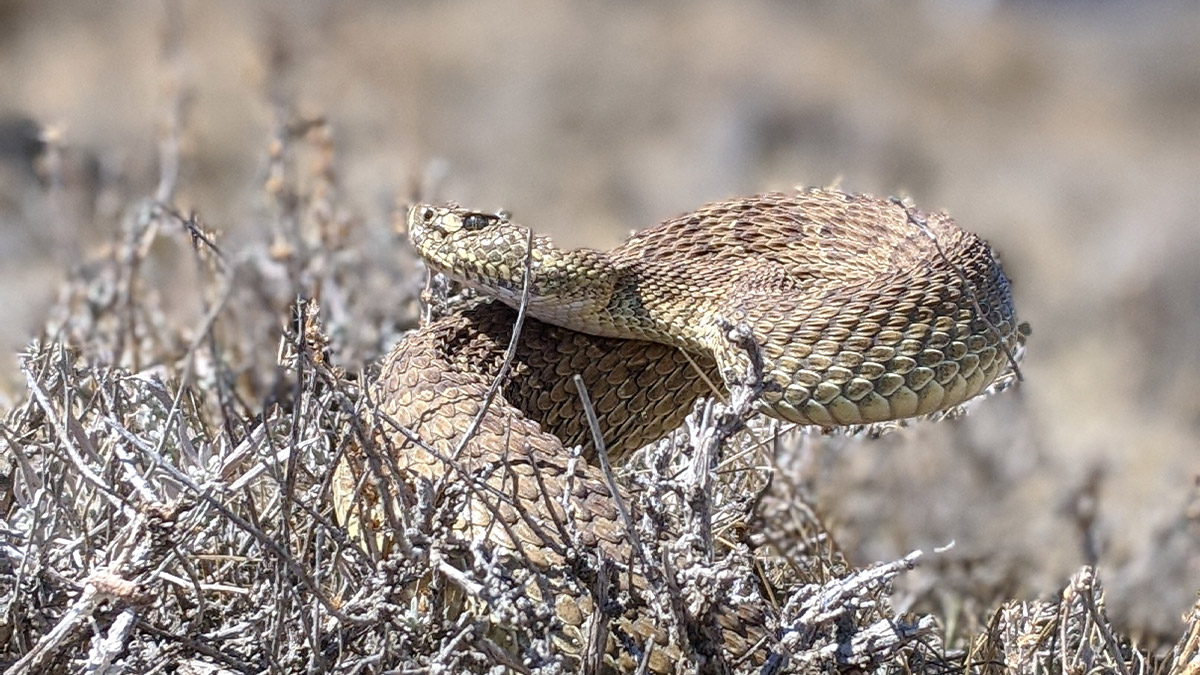
On the Buckeye XPress (BXP) project in southern Ohio, four state-approved herpetologists are on speed dial with TC Energy’s construction team. Part of the pipeline is near a snake hibernaculum, or winter snake den, where species protected by the state, such as the timber rattlesnake, are known to roam. For that reason, the BXP team has put in place mitigation measures to ensure the safety of snakes—as well as its workers from the venomous reptiles.
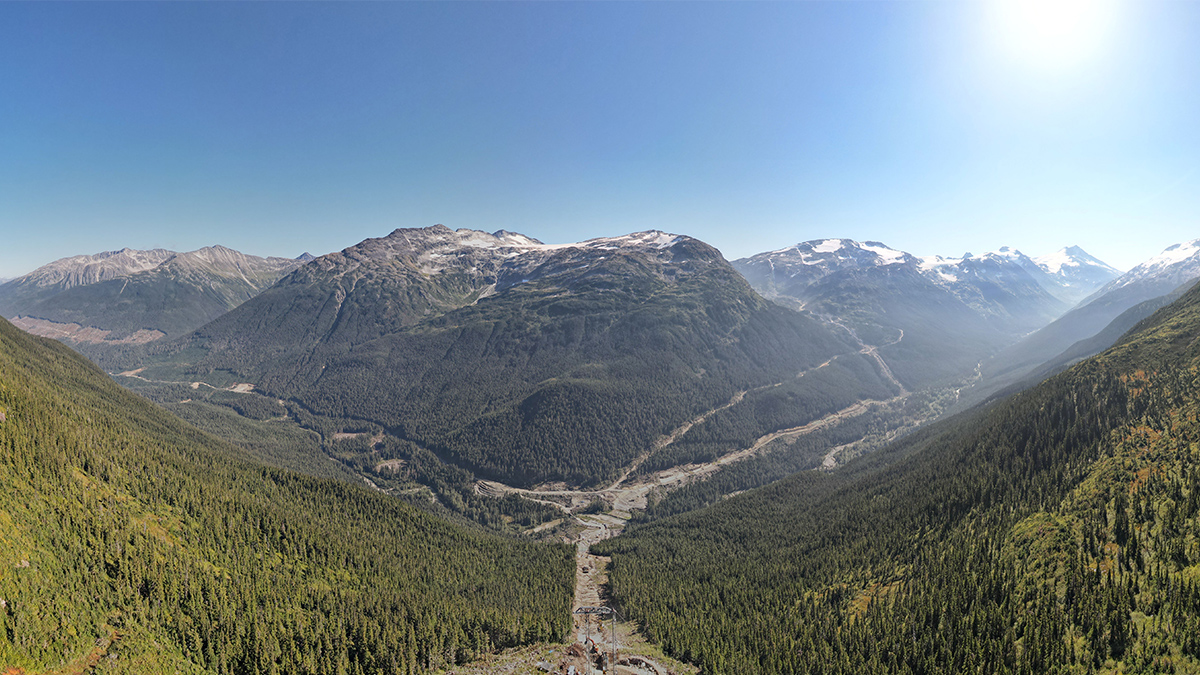
Coastal GasLink successfully completed a $7.15 billion refinancing of its existing construction credit facility through a Canadian private bond offering of First Lien Senior Secured Notes.
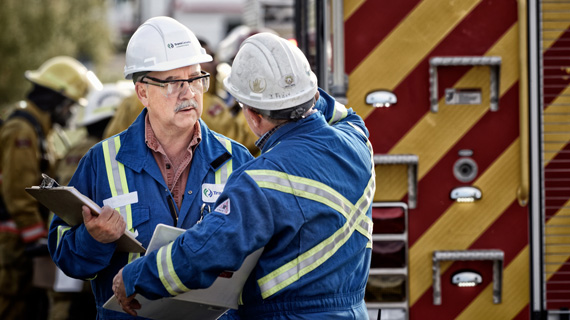
For members of TransCanada’s U.S. gas operations construction service's crew, it was supposed to be a routine maintenance project. Gary Thornburg and his crew made up of Bill Donner, Karl Clark and Brett Smith were dispatched just south of Bloomington, Indiana, where they would be working on a portion of the ANR pipeline.

The purpose of this Policy is to ensure that Personnel pursue and develop long-term mutually beneficial relationships with Indigenous Groups in support of the Company's business and corporate social responsibility objectives.
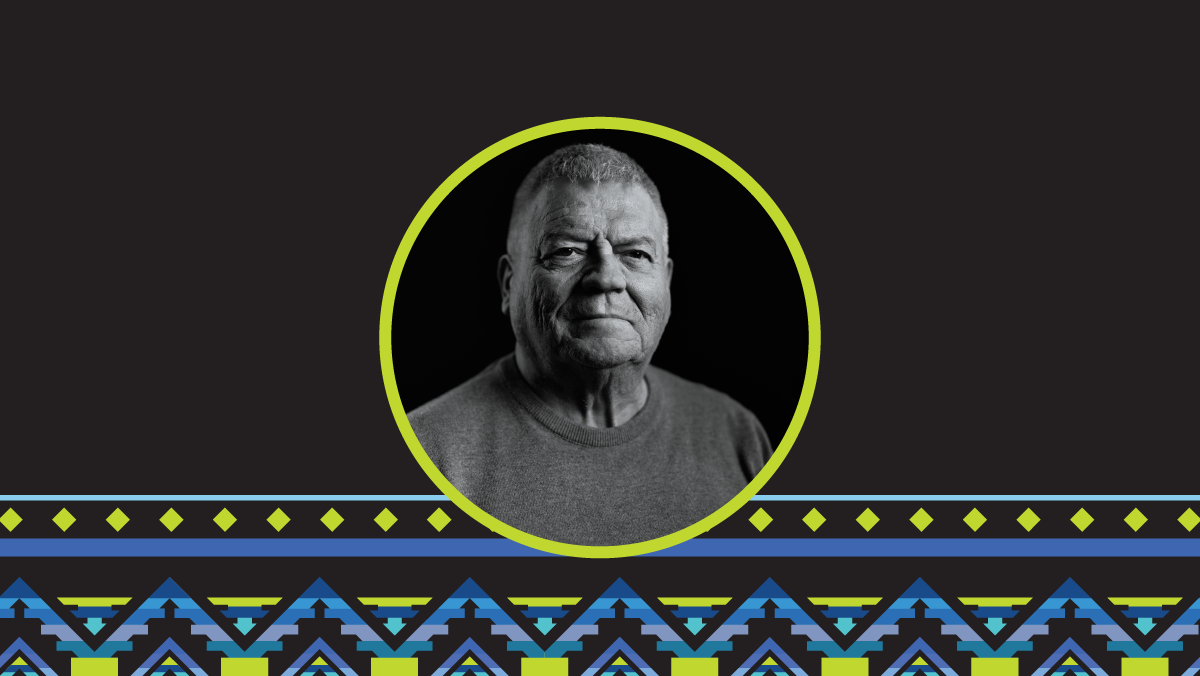
Art is one of TC Energy’s earliest Indigenous leaders, whose career with the company began in the early 1980s.

MacKay River is an industrial cogeneration project that is situated on Suncor’s MacKay River oil sands development, 60 km (37 miles) west of Fort McMurray, Alta.

TC Energy today announced net income attributable to common shares for third quarter 2019 of $739 million or $0.79 per share compared to net income of $928 million or $1.02 per share for the same period in 2018.