
A legacy built on people: Columbia Gas through the generations
Last updated onMore than a century ago, in the Appalachian hills, a small gas company set out to change how energy was delivered across the United States.
Founded in 1906 in Huntington, West Virginia, Columbia Gas & Electric Company quickly grew into one of the country’s most ambitious natural gas providers. At a time when coal and manufactured gas dominated, the company saw something different: a future powered by cleaner, more efficient natural gas and the infrastructure needed to deliver it at scale.
That vision took shape in 1909 with the construction of Line A, a 180-mile pipeline stretching from West Virginia through northern Kentucky and across the Ohio River to Cincinnati. It was one of the earliest long-distance natural gas pipelines in the country—cutting energy costs by more than half and transforming how entire communities accessed fuel.
As the decades unfolded, Columbia expanded rapidly—through mergers, new pipeline systems and deep investment in supply and storage. By the mid-twentieth century, it had become one of the most important natural gas systems in North America, powering industrial growth and laying the groundwork for the modern energy network we rely on today.
Did you know?
The success of Columbia in its formative years is widely credited to the visionary leadership of Philip G. Gossler, elected Chairman of the Board in 1912. A trained engineer, he quickly strengthened the company’s foundation—expanding its electric business to create a more balanced energy portfolio while prioritizing supply security through new wells and major gas supply contracts. These early moves set the stage for transformative growth, culminating in the 1926 acquisition of the Ohio Fuel Corporation, which nearly doubled Columbia’s capacity and customer base.
While the system grew, something else took shape alongside it: A legacy built on people.
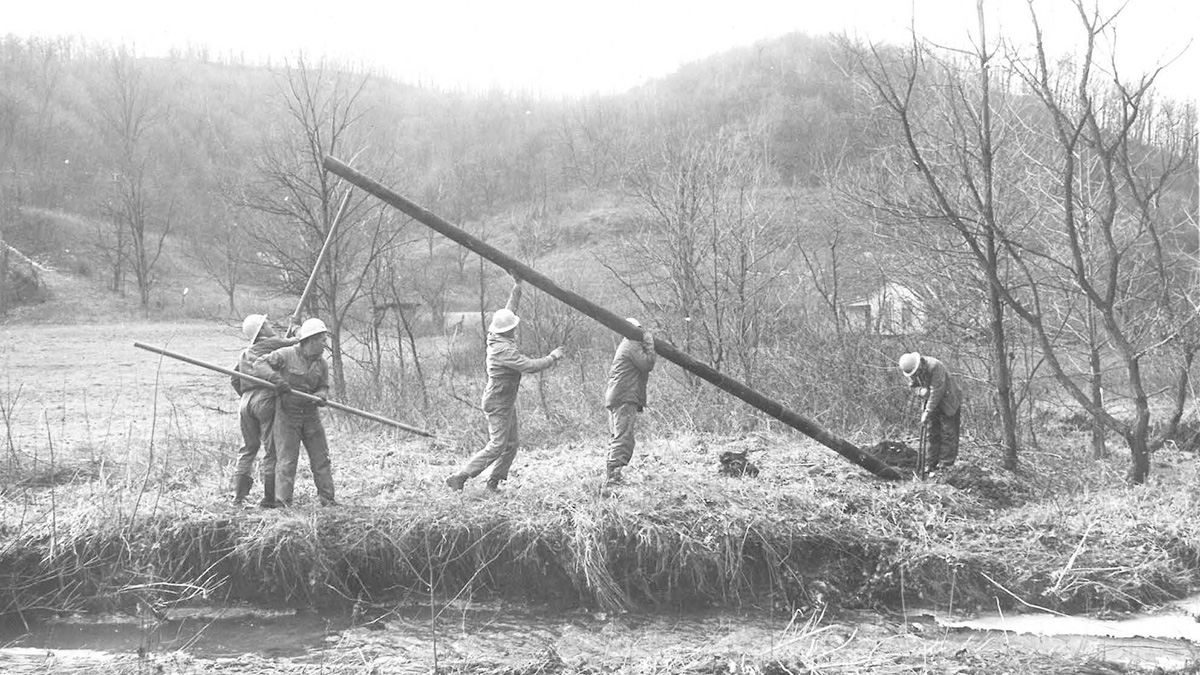
Snapshots from the past—early pipeline work and operations, preserved from our Charleston office.
A family rooted in the system
For Safety Manager Aaron, that legacy stretches back generations.
In the early days of Columbia, it was known simply to locals as “the gas company”.
Long before Columbia became part of TC Energy, Aaron’s great-grandfather worked for the gas company, moving equipment and supplies through rugged terrain of the Appalachian hills. As the system expanded, he helped shape Columbia’s early growth.
After the Second World War, the next generation stepped in. Aaron’s grandfather and great uncle returned home after serving in the Pacific Theatre, one joined the gas company as a driller, the other a pipeliner—helping grow the system during a period of rapid post-war expansion.
That work did more than build pipelines—it sustained families. Aaron’s grandfather raised nine children on his income from the company, putting them through school and creating opportunities that span generations.
By the time Aaron was a child, Columbia Gas felt like the family business. Not only was it part of the community, it was part of daily life.
“I’ve been running around the St. Albans facility since I was probably three or four years old,” he recalls. “There’s a lot of history there.”
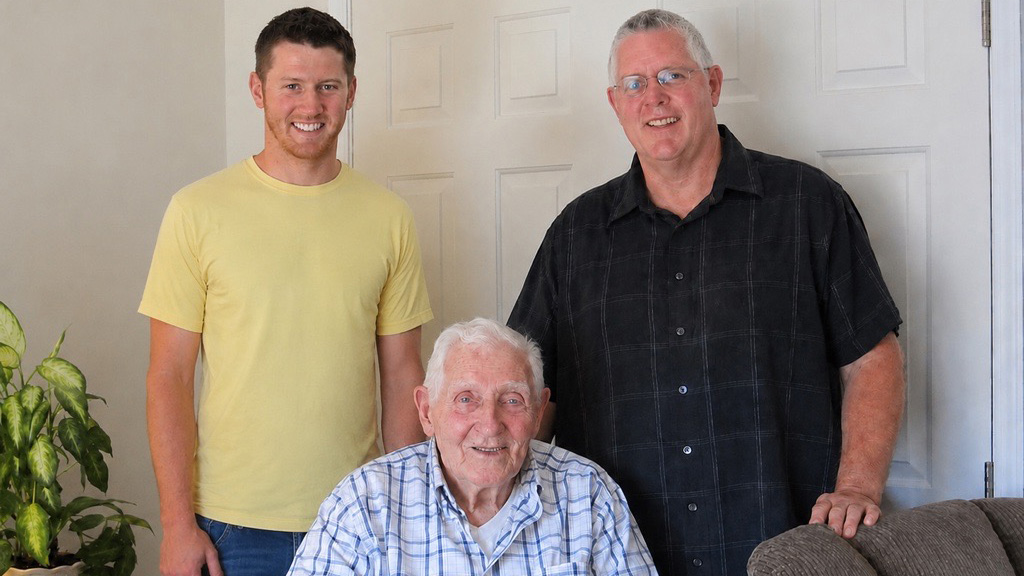
Aaron, Michael and Ray—carrying a legacy across generations.
A history built on relationships
Aaron’s father, Michael, continued the family legacy, joining the gas company as a pipeliner and later finishing his career as a corrosion specialist. For several years, Aaron and Micheal worked side by side—overlapping during summer roles and early career opportunities that would shape his path.
What stood out most wasn’t the work—it was the people and the community. His father wasn’t the only one who shaped Aaron’s experience. “I grew up around these guys. They were like uncles to me,” he says. Those moments left a lasting impression. “You realize pretty quickly it’s something bigger than you,” Aaron reflects. “There’s a responsibility there—they trust you.”
That sense of connection and responsibility extended far beyond individual crews. Across facilities and regions, employees knew each other’s families, shared stories and built bonds that carried well beyond the job. There was a collective sense of pride in working for the company and being part of something bigger.
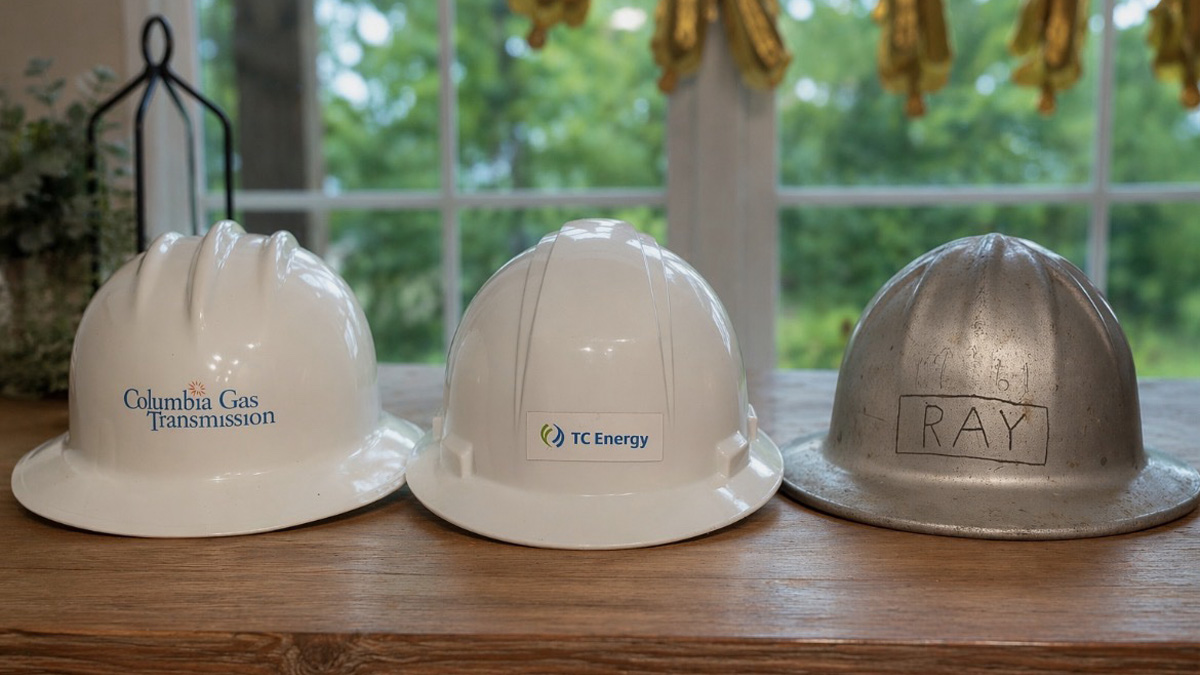
Three generations of hard hats.
Evolving with purpose
Over time, the gas company evolved—weathering economic downturns, regulatory shifts, supply challenges and industry transformation. From the Great Depression to wartime demand, from supply shortages in the 1970s to market restructuring in the 1990s, Columbia adapted—refining its processes, expanding its infrastructure and strengthening its operations.
That ability to adapt became a defining strength of the system and the people who operated it.
Ten years ago, on July 1, 2016, TC Energy acquired the Columbia Pipeline group—a move that doubled its U.S. footprint. The acquisition added more than a century of experience and a network spanning over 15,200 miles (24,500 km) of pipeline and dozens of storage fields across 10 states, from New York to the Midwest and Southeast. Industry experts called it a perfect fit and game-changing acquisition.
Today, the integrated system transports roughly one-quarter of the U.S. natural gas demand, connecting millions of homes and businesses with the energy they rely on.
While the system has grown, at its core the fundamentals remain unchanged.
“It still takes hands to turn wrenches,” Aaron says. “And it takes really smart people to figure out how to do it better.”
“There’s more ambition now,” he says. “More willingness to think bigger and go after it.”
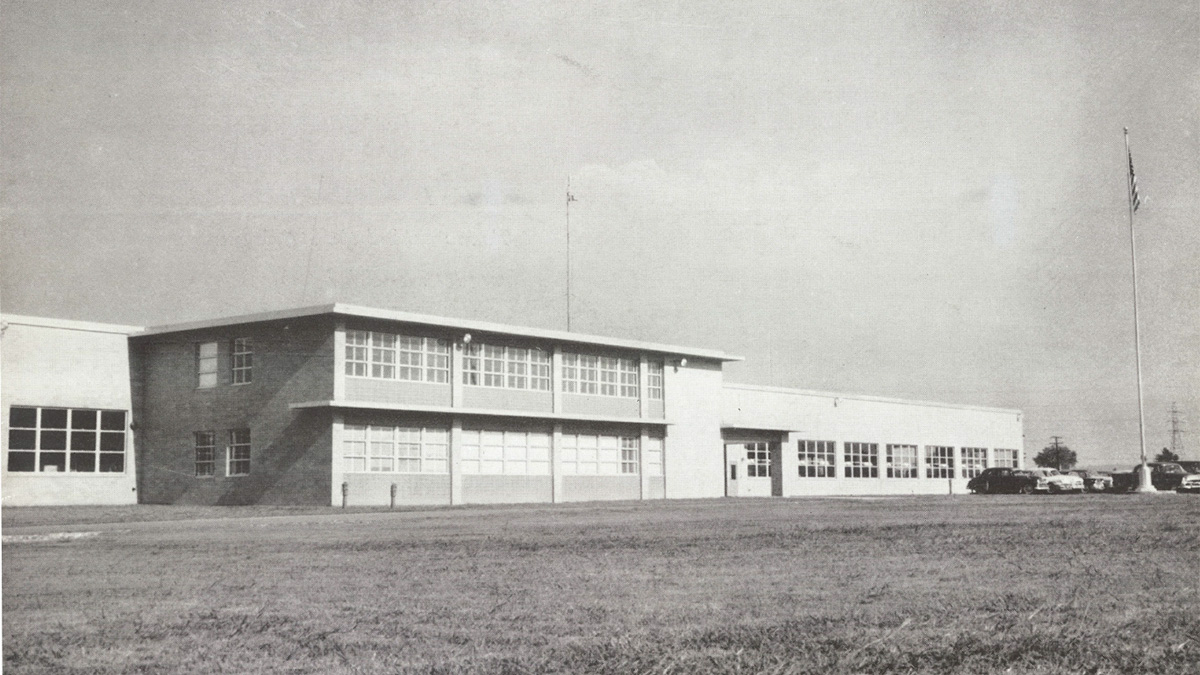
Our St. Albans office where Aaron now works in his father’s former office.
Looking ahead
More than a century after its founding, the Columbia system continues to evolve to support growth and deliver reliable energy where it’s needed most. For Aaron, the future is as personal as the past. “I want this company to still be here for the next generation,” he says. “For my kids, if they choose it.”
In the end, while pipelines, technology and strategy will continue to evolve, the foundation remains the same: People. The ones who built it, the ones who sustain it and the ones who will carry it forward.
And in communities across the Appalachian region, it’s still proudly known as the gas company.
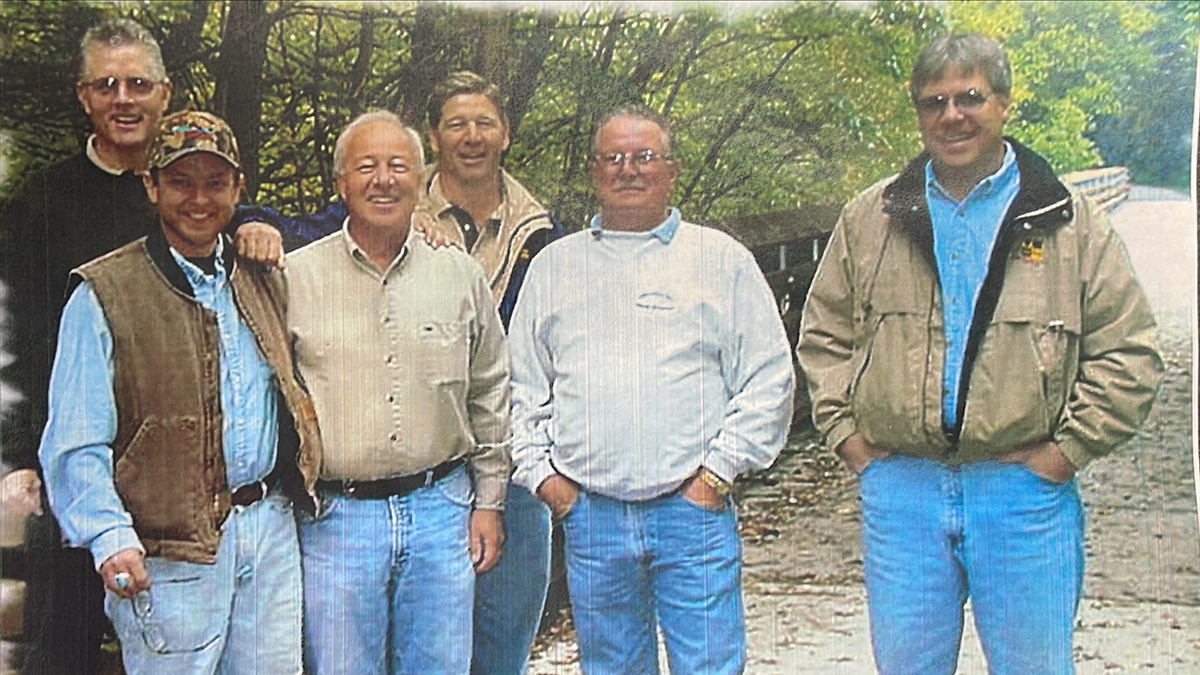
The Corrosion team, 2003. Left to right: Michael, Tim, Rick, Bill, Jerry and Paul.
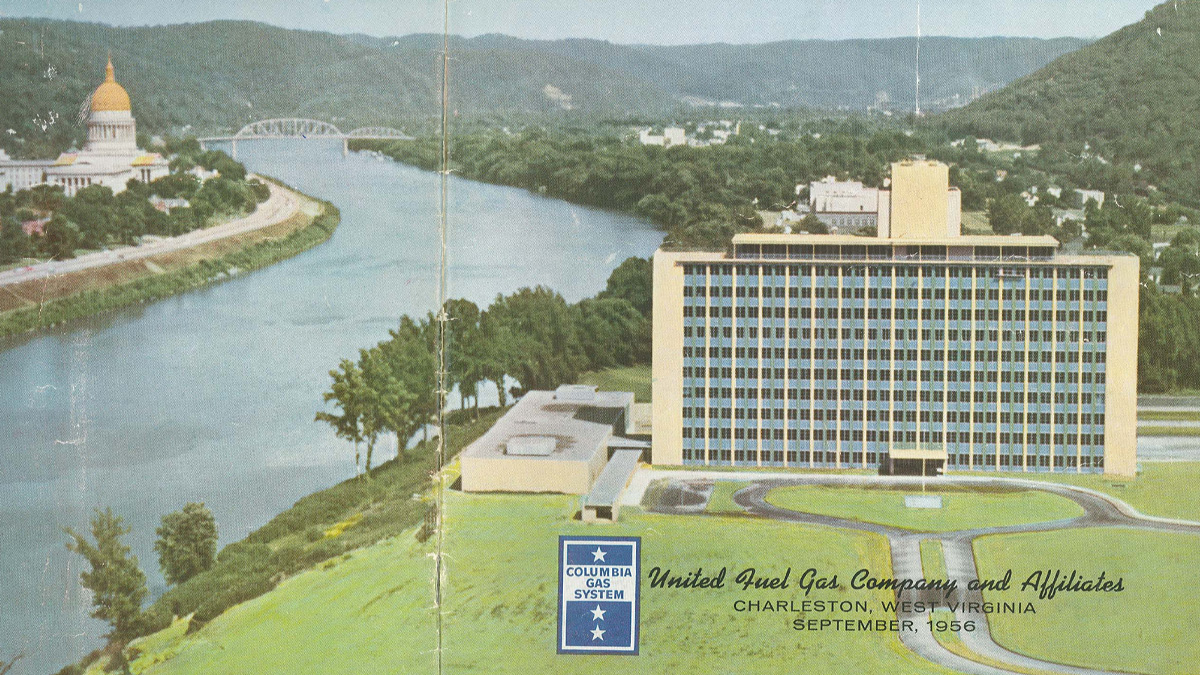
Since 1956, Charleston’s 1700 MacCorkle Avenue has stood along the Kanawha River—a proud chapter in our history. We look forward to writing our next chapter in West Virginia when we move into our new home in downtown Charleston later this year.