
Collaboration and opportunity through the Indigenous Construction Participation Program
Last updated on
For Leanna Willier, the Indigenous Construction Participation Program (ICPP) isn’t just a program—it’s a journey shaped by lived experience, shared knowledge and deep respect for the land.
Currently, Leanna works as an ICPP Coordinator on TC Energy’s Leming Lake Sales Lateral Loop - Sand Section Project near Bonnyville, Alberta. Her path to this role began on the pipeline right‑of‑way itself—learning about responsible energy development, after completing education in Environmental Science through the University of Alberta. Leanna has seen first-hand how Indigenous participation strengthens project outcomes for everyone involved.
From participant to leader
Leanna’s introduction to the ICPP started when her community, Sucker Creek First Nation, offered her a participant role on a previous TC Energy project. At the time, she was working as a labourer and saw it as an opportunity to better understand how decisions were being made on the land.
“I started as a participant—being those eyes and ears for my Nation,” Leanna shared. “I wanted to increase my understanding of environmental protection measures in pipeline construction and how information moved between the project and the community.”
That experience sparked something more. Within weeks of completing her first project as a participant, Leanna was offered a new role with TC Energy—this time as an ICPP Coordinator leading other participants through the program. This opportunity led Leanna to work as an Environmental Inspector on TC Energy’s Deep Valley North, Emerson Compressor Station and Turner Valley projects. She has also worked as an ICPP Coordinator on the Valhalla North and Berland River Project before moving into her current role. “I never imagined that stepping into the participant role would open so many doors,” she said. “But the program showed me what was possible.”
Today, Leanna brings all of that experience together, giving her a full‑circle understanding of pipeline construction, environmental protection and Indigenous knowledge.
Creating a learning environment on the land
As an ICPP Coordinator, Leanna supports participants as they learn about construction activities, environmental protection measures and monitoring practices. In the field, participants visit active construction areas, identify safety considerations and observe how environmental protocols are applied in real time.
“We go out with a plan, but we’re always learning,” Leanna explained. “Participants see wetlands before clearing, during construction and after restoration. They learn information like why soil is separated and labelled—because that topsoil carries the seeds that allow the land to recover.”
Back at the office, participants compile daily reports and connect what they observed in the field to TC Energy’s Environmental Protection Plan. These reports are shared with their communities to keep them informed of project progress and environmental protection measures.
Leanna’s role often includes bridging understanding—turning complex information into something accessible, while creating a safe space to ask questions for her team.
“That knowledge sharing goes both ways,” she added. “Industry learns from Indigenous perspectives, and communities see what’s happening on the ground.”
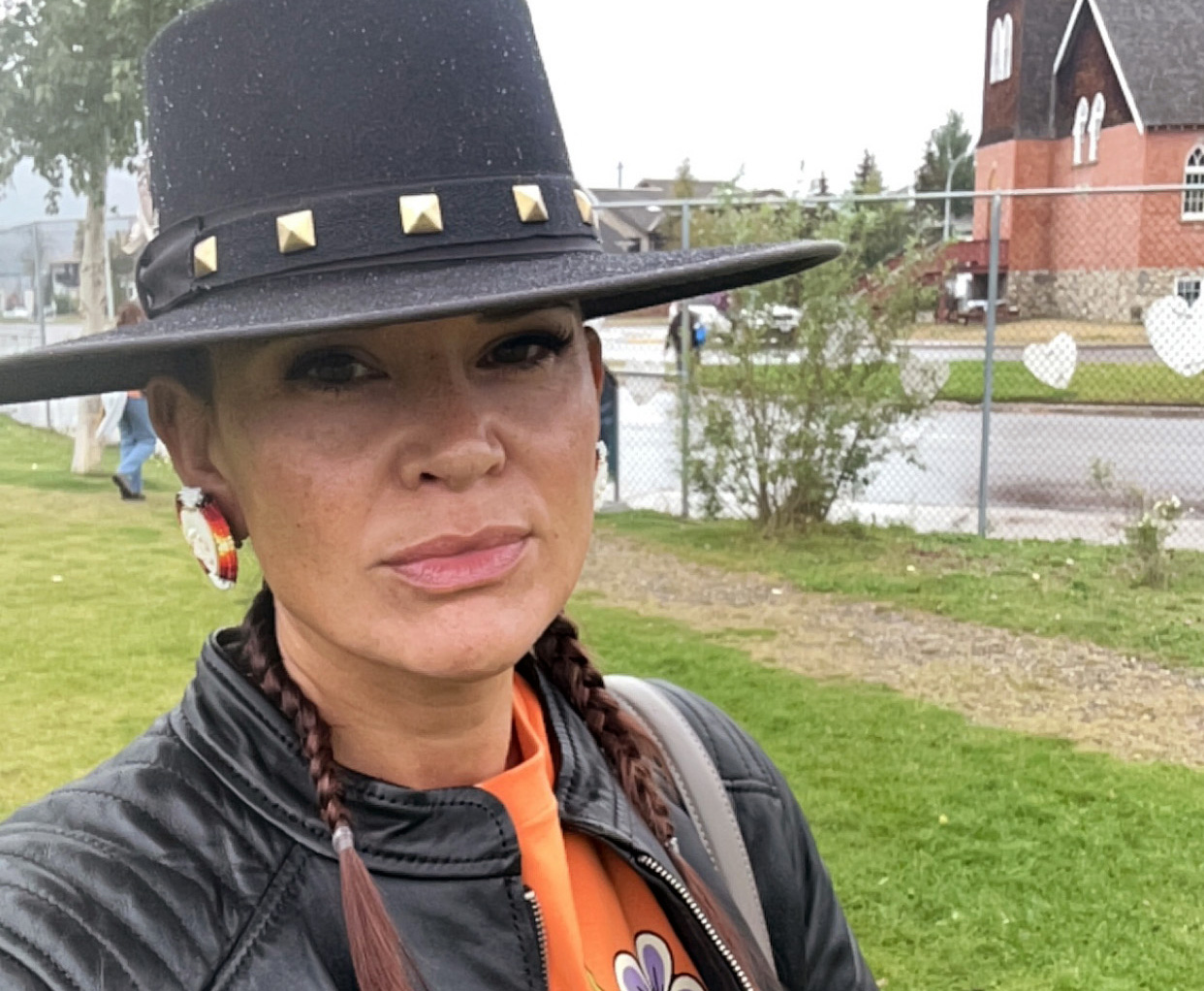
Respecting culture and traditional knowledge
Beyond construction and environmental training, Leanna emphasizes cultural values as a core part of the ICPP experience. As an Indigenous woman, she understands the importance of ceremony, traditional practices and spiritual connection to the land, and creates space for participants to feel supported in practicing their cultural traditions.
On the Leming Lake Sales Lateral Loop - Sand Section Project, one participant asked if he could collect stones for his Nation’s sweat lodge, offering tobacco and prayer before doing so—an example of how Indigenous values can be respected alongside project work.
“Understanding why these practices matter builds trust, respect and collaboration” she shares.
A program rooted in opportunity
While the ICPP supports communication and transparency during construction, its impact extends far beyond a single project. At its core, ICPP is about creating pathways for knowledge sharing, mutual understanding and meaningful participation, opening doors to new career opportunities along the way.
“It bridges the gap,” Leanna explained. “It helps industry understand Indigenous communities' unique connection to the land, and it helps communities see the care, planning and protection that goes into the work.”
Leanna has seen participants discover career paths they never knew existed. On one project, a participant’s interest in water monitoring led to a job with a third‑party environmental firm.
“He didn’t even know that role existed when he joined the program,” Leanna recalled. “The program opens participants’ horizons to many job opportunities that are out there.”
For Leanna, the program has also changed her own career—and continues to open doors for others.
“I’ve always wanted to work in environmental protection,” she reflected. “ICPP helped me get there. And now I get to help others find their own path.”