
Results 3141 to 3150 of 4193 for “terms and conditions”

Compressor stations keep the natural gas flowing at a desired flow rate by mechanically re-pressurizing the gas along the pipeline.
tce-FERC-TransCanada-Keystone-Tariff-Index-July-1-2023.pdf
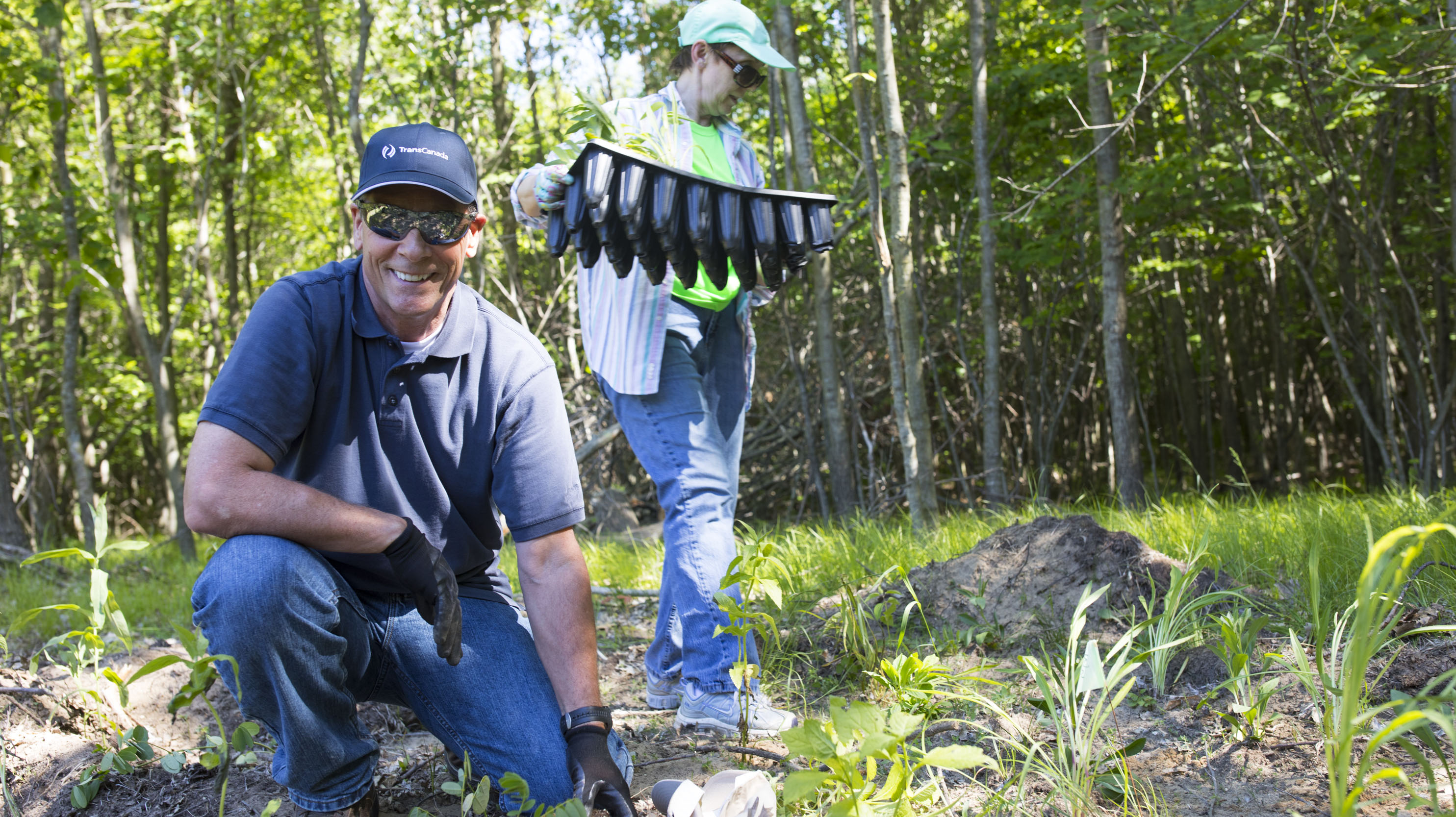
Pollinators are critical to producing many of the foods we consume daily, this includes thousands of crops such as coffee and cocoa, as well as many of the fruits we eat such as apples, strawberries, peaches and melons. One third of our food supply requires pollination.

MEXICO CITY, MEXICO and CALGARY, ALBERTA--(Marketwired - June 13, 2016) - News Release -- TransCanada Corporation (TSX:TRP) (NYSE:TRP) (TransCanada) today announced that its joint venture with IEnova, Infraestructura Marina del Golfo (IMG), has been chosen to build, own and operate t...
MEXICO CITY, MEXICO and CALGARY, ALBERTA--(Marketwired - April 11, 2016) - TransCanada Corporation (TSX:TRP) (NYSE:TRP) (TransCanada) today announced that it has been chosen to build, own and operate the Tula - Villa de Reyes pipeline in Mexico. Construction of the pipeline is suppor...

After the global pandemic was declared in mid-March due to COVID-19, it was a difficult moment when Indigenous Relations team members realized they couldn’t spring into action, load up a truck with supplies and deliver it to the communities they work closely with. The very next day, after we transitioned to work from home, our team members were all talking about how this was going to affect the Indigenous groups we work with. Everyone wanted to immediately reach out to see how they were doing and ask how we could help. Within the first two weeks of the pandemic being declared, the Indigenous Relations team had proactively reached out to all Indigenous groups who live near or along our operations and projects in Canada and the U.S. – more than 200 groups in total.
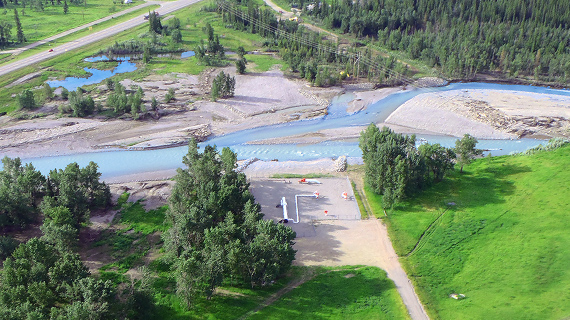
After heavy flooding exposed pipelines at river crossings, TransCanada used innovative and creative bioengineering solutions to "re-train" the rivers to protect the pipelines, reduce the company's environmental footprint, and create a new habitat for fish. To date, TransCanada’s engineering solutions have met with success, with the provincial regulator approving the engineering practices as a permanent solution.