
Results 4221 to 4230 of 4363 for “trabajos en tc energia'”

The Canadian Mainline is 14,114 km (8,770 mile) in length and safely carries natural gas from the Western Canada Sedimentary Basin (WCSB) to Ontario and beyond. The map depicts the pipeline's western section viewed from Saskatchewan to Manitoba.
The Management’s Discussion and Analysis dated March 1, 2005 should be read in conjunction with the audited consolidated financial statements of TransCanada PipeLines Limited (TCPL or the company) and the notes thereto for the year ended December 31, 2004. Amounts are stated in Canadian dollars unless otherwise indicated.
With this project, 2.9 miles (4.7 km) will be built along with two compressor stations and replacement of 26 miles (41.8) of existing pipeline. The changes will increase capacity by 1.3 billion cubic feet per day.
A natural gas pipeline that will stretch 287 km (178 miles) from end to end, the Tula Pipeline Project will safely deliver fuel from Tuxpan, Veracruz, to communities in the states of Puebla and Hidalgo.
The Project consists of a 206 kilometre (km), 42-inch pipeline, two compressor stations, and 14 meter stations. It will begin at a the northern point of the existing Saturn section of the Groundbirch Mainline at 14-21-80-20-W6M and terminate at the Blair Creek Receipt Meter Station located in Unit 30, Block K, Group 94-G-7.
In accordance with Condition 5 of the Certificate and Condition 6 of Order XG-N081-013-2016, NGTL encloses the Commitment Tracking Table for the Project. The reporting period for this submission is March 31, 2015 to December 15, 2016.
In accordance with Condition 5 of the Certificate and Condition 6 of Order XG-N081-013-2016, NGTL encloses the Commitment Tracking Table for the Project. The reporting period for this submission is March 31, 2015 to November 15, 2016.
Bruce Power, located on the shores of Lake Huron, between Kincardine and Port Elgin, Ont., is Canada’s first private nuclear generator, providing 30% of Ontario’s electricity and employing more than 4,000 full-time employees.
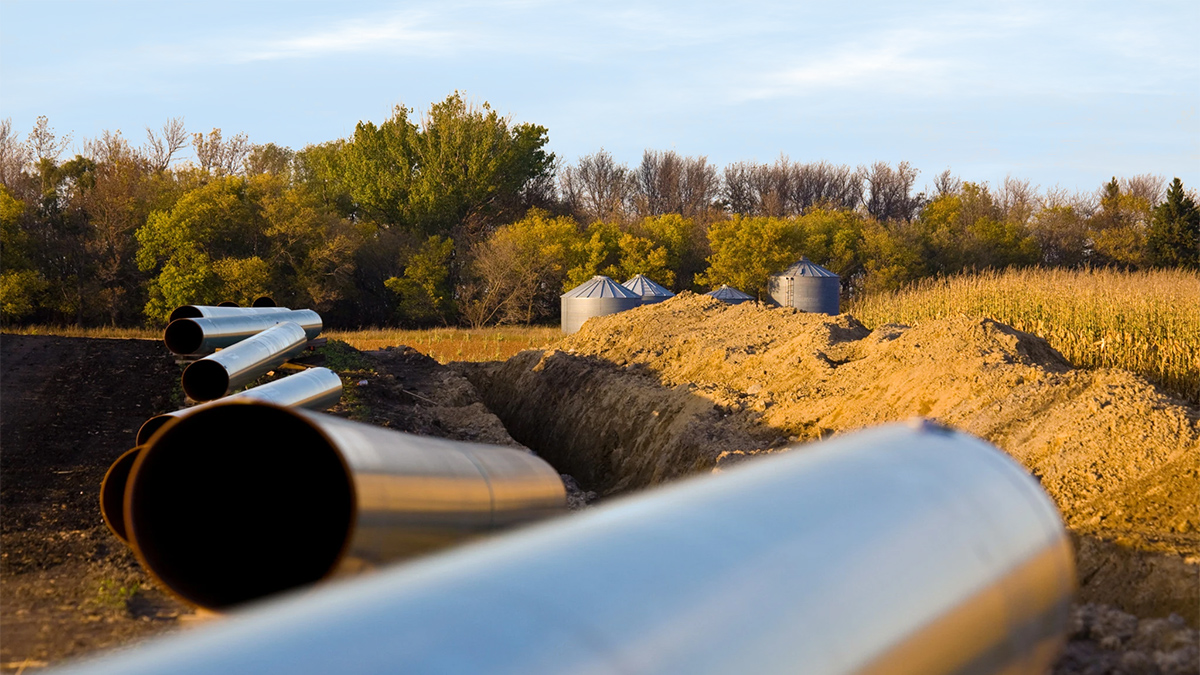
All aspects of the life cycle of a pipeline – from design and construction to operation and retirement – are guided by our comprehensive Operational Management System and strictly overseen by regulatory agencies and government departments. That's why every TC Energy pipeline is rigorously and precisely built with high-quality materials and the latest proven technology, and monitored by expert staff, every step of the way. Take the journey with us, and learn about the life cycle of a pipeline from planning to monitoring and beyond.
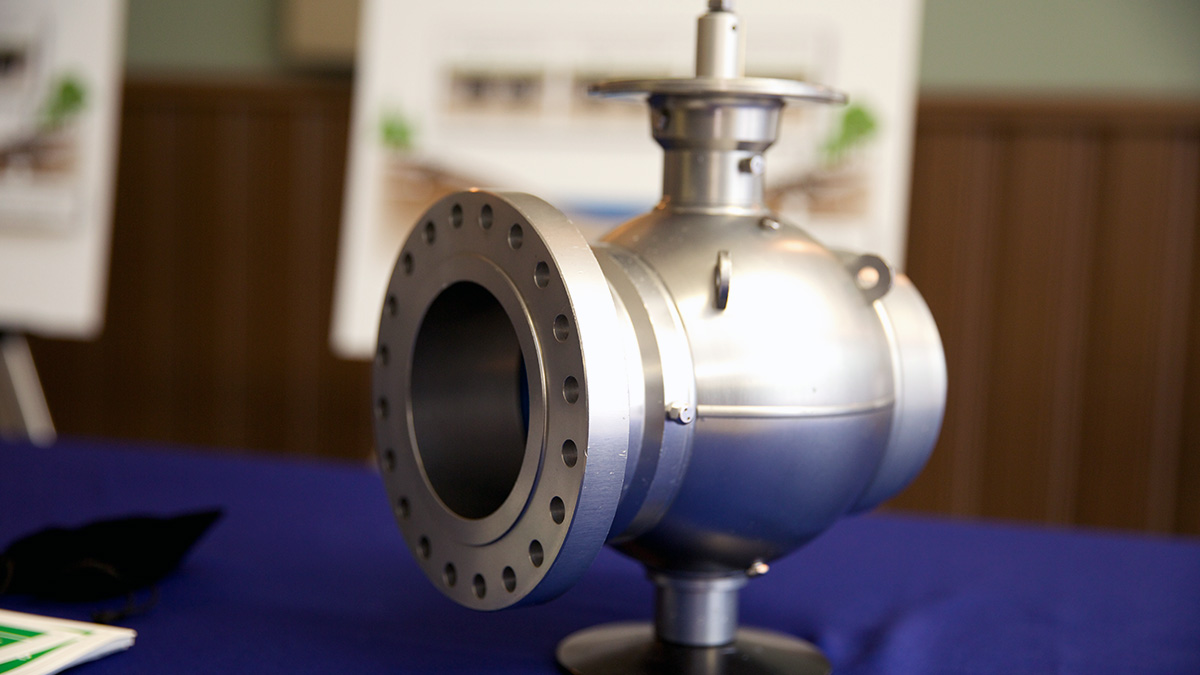
There are tens of thousands of valves spanning TC Energy’s 95,800 oil and natural gas pipeline network across North America. These valves are carefully maintained and inspected to keep our pipelines working safely and smoothly.