
Results 3671 to 3680 of 4003 for “heart of america”

The fact sheet describes key points about Redwater Cogeneration Plant.
The fact sheet describes key points about Bear Creek Cogeneration Plant.

CEOs representing Canada’s energy industry released a letter to Canadian federal political leaders outlining an urgent action plan to strengthen Canadian economic sovereignty, through our energy industry. The open letter calls for a rapid, dramatic regulatory restructuring to enable investment in critical oil and natural gas infrastructure across Canada. OTTAWA, Ontario, March 19, 2025 (GLOBE NEWSWIRE) -- This morning, an open letter from 14 CEOs representing the four largest pipeline companies and...

Landing a summer job related to their area of interest is not always an easy feat for students – but this year, throw in a pandemic, and locking down a solid summer job became an even bigger struggle. Through our decade-long partnership with Community Futures Treaty Seven (CFT7) – a non-profit organization focused on economic development, training and employment with Treaty 7 First Nations – TC Energy hired two CFT7 summer students who have been working with us this summer. Since 2010, our Indigenous Relations and Talent Acquisition departments have teamed up to support CFT7 on a variety of initiatives, including employment symposiums, a youth advisory committee and as a partner employer in its First Nations Summer Career Placement Program.
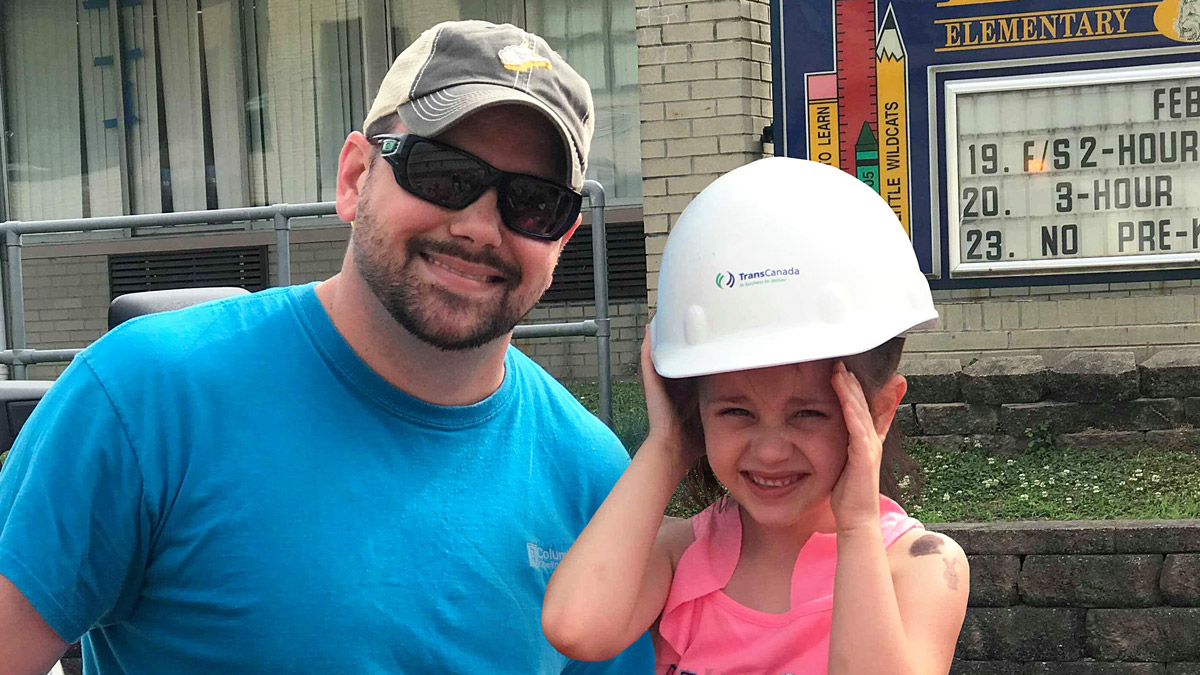
Meet Aaron Fry, a firefighter, family man, and a TransCanada employee. At TransCanada, Aaron is tasked with overseeing a team responsible for the same safe and reliable operations of pipelines in Logan County and Mingo County, West Virginia in addition to Pike County, Kentucky.
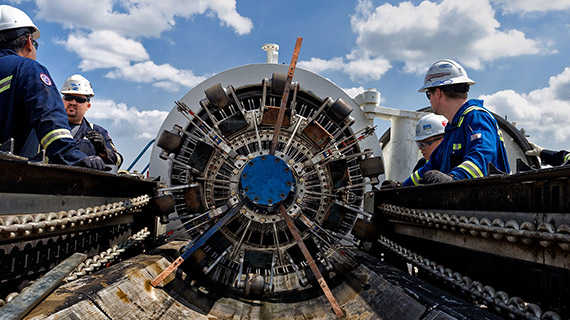
What is a PIG? No, it isn’t a cute barnyard animal, pot-bellied pet, or potential dinner menu option. A PIG is a pipeline inspection gauge, and it is a critical part of keeping our pipelines operating safely.
tce-Canada-Gas-Operations-Emergency-Response-Plan-CAN_FR.pdf
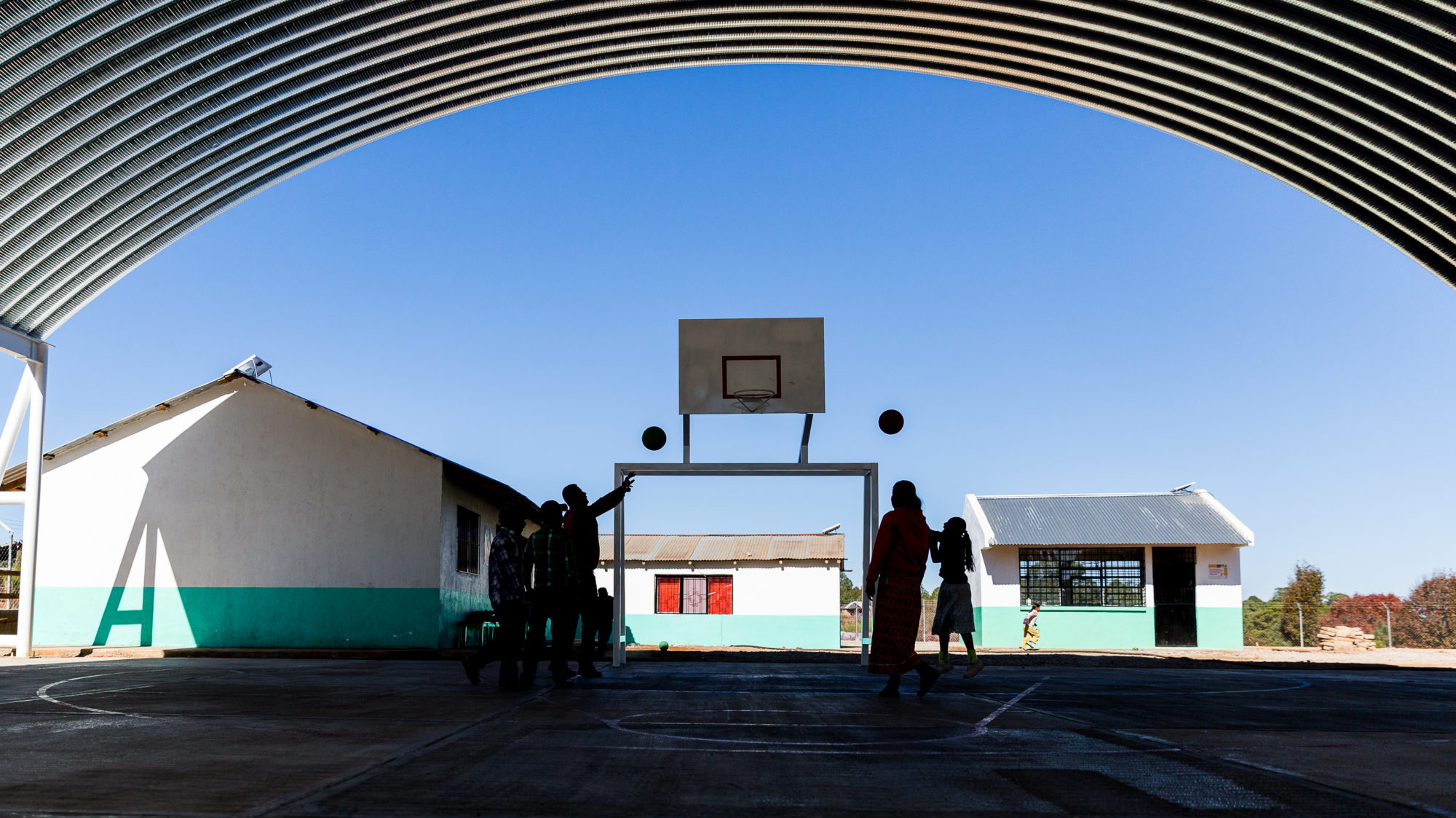
For years, children in the northern region of Mexico’s Sinaloa state had no real place to learn. Teachers would move from one house to another, or cram their young students into a tiny room measuring 6m x 4m – with no furniture, no power, no running water and no washrooms.